Guest-friendly seating favors moderate comfort, easy sit-to-stand movement, and a layout that supports conversation without sacrificing daily use. Start with the way the room is actually used, then work backward to the specifications that support that use. A good rule here is to separate what you can measure from what you can only learn by using the sofa.
Start with the activity
Guest-friendly seating favors moderate comfort, easy sit-to-stand movement, and a layout that supports conversation without sacrificing daily use.
Choose geometry around it
- Future move or layout changes — Renters and flexible rooms benefit from sections that can be moved or rearranged later.
- Who uses the sofa most — Design around the people who sit there daily, not a generic lifestyle photo.
- Main activity — Movie nights, reading, gaming, work breaks, guests, and naps reward different geometry.
- Cleaning frequency — The easier the routine, the more likely it will actually be done.
- Available floor space — Use the sofa’s full footprint plus the space the room needs to keep functioning.
Plan for maintenance
Do not let the sofa absorb every function in a small room.
Features that can backfire
- Choosing maximum size instead of usable space.
- Buying for the staged photo instead of the household.
- Underestimating cleaning.
Build the shortlist
- The sofa supports the main activity
- Maintenance fits the household
- The room remains flexible for other uses
A sofa should make the room easier to use after the delivery excitement is over.
Buying options
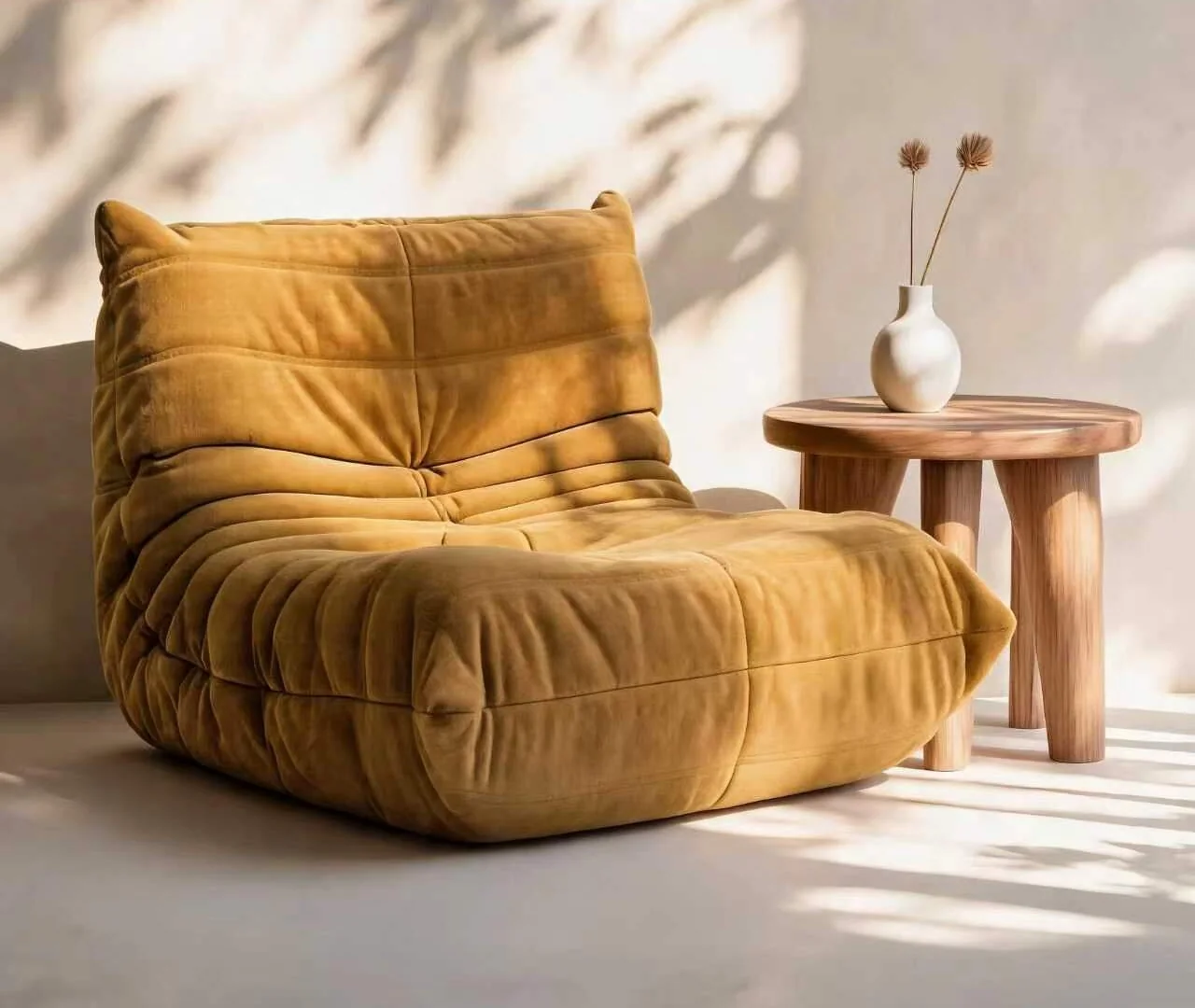
PRODUCT OPTIONS
Ohmelo / Melo Home
Compression and modular sofas for modern living. Register your interest with our team before buying to confirm exclusive discounts, gifts or other purchase benefits.